
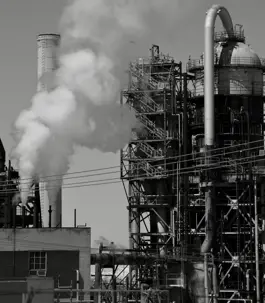
At the Heart of the Oil Refinery: Trades, Tasks, and the Reach of Asbestos
Oil refineries are among the most complex industrial environments in the country—massive operations requiring a wide range of skilled trades to keep systems running safely and efficiently. For much of the 20th century, however, these same trades shared a common, unseen risk: routine exposure to asbestos.
Because asbestos was embedded in insulation, machinery, and safety materials throughout refinery infrastructure, exposure was not limited to a single job. Instead, it cut across nearly every craft on site—often during ordinary, necessary tasks.
Pipefitters and Steamfitters
Pipefitters and steamfitters worked at the heart of refinery systems, installing and maintaining miles of piping that carried high-temperature liquids and gases.
Their exposure risks were especially acute because pipes were commonly wrapped in asbestos insulation. Tasks that created hazardous dust included:
- Cutting, sawing, and threading insulated pipe
- Removing and replacing worn or damaged insulation (“lagging”)
- Dismantling flanges sealed with asbestos gaskets
- Working in tight pipe chases where fibers accumulated
Even minor repairs could release significant amounts of airborne asbestos, particularly in older systems where insulation had become brittle.
Insulators (Asbestos Workers)
Insulators were often at the highest risk because they directly handled raw asbestos materials. Their job was to apply, repair, and remove insulation used to control heat and prevent fire hazards.
Typical exposure-related tasks included:
- Mixing and applying asbestos-containing cement and insulation
- Cutting insulation blocks or blankets to size
- Spraying asbestos fireproofing materials
- Stripping old insulation during maintenance or shutdowns
These activities frequently generated dense dust clouds, especially before modern respiratory protections were introduced.
Boilermakers
Boilermakers maintained and repaired large boilers, pressure vessels, and heat exchangers—equipment that relied heavily on asbestos for insulation and sealing.
Exposure occurred when they:
- Removed and replaced internal insulation and refractory linings
- Cut or installed asbestos-containing gaskets
- Performed welding or repairs that disturbed surrounding materials
- Cleaned out debris inside enclosed vessels
Working inside confined spaces amplified the risk, concentrating airborne fibers with little ventilation.
Machinists and Mechanics
Machinists and mechanics were responsible for maintaining pumps, valves, compressors, and other moving equipment essential to refinery operations.
Their work frequently involved asbestos-containing components such as gaskets and packing materials. Exposure-related tasks included:
- Cutting gaskets from asbestos sheet stock
- Replacing worn valve packing
- Grinding, sanding, or machining parts that contained asbestos
- Disassembling equipment sealed with asbestos materials
These tasks often released fine fibers directly into the worker’s breathing zone.
Electricians
Electricians may not have worked directly with insulation materials as often as other trades, but they still encountered asbestos in a variety of applications.
Exposure risks arose when they:
- Pulled wiring through conduits lined or surrounded by asbestos insulation
- Drilled into walls, panels, or ceilings containing asbestos materials
- Worked on electrical panels with asbestos arc chutes or backing boards
- Performed retrofits in older buildings with fireproofed structures
Even incidental disturbance of these materials could release fibers.
Laborers and Maintenance Crews
Laborers and general maintenance workers often performed the cleanup and support tasks that exposed them to asbestos left behind by other trades.
Their exposure frequently came from:
- Sweeping or shoveling insulation debris during shutdowns
- Assisting skilled trades in removing asbestos-containing materials
- Handling contaminated work clothing or equipment
- Working in areas where airborne dust had settled
Because they were rarely provided specialized training or protection, these workers were particularly vulnerable.
Welders
Welders worked throughout refinery units, often in close proximity to insulated systems.
Exposure occurred when they:
- Cut or welded pipes covered in asbestos insulation
- Burned through coatings or materials containing asbestos
- Worked in confined spaces where disturbed fibers accumulated
- Performed hot work that degraded surrounding insulation
Heat and vibration from welding could further break down asbestos materials, increasing airborne contamination.
A Shared Risk Across Trades
What makes refinery asbestos exposure particularly significant is its breadth. It was not confined to a single occupation or task. Instead, it was woven into the daily routines of nearly every trade on site.
Workers often encountered asbestos indirectly—breathing in fibers released by others working nearby, or handling materials without knowing their composition. Protective measures, when they existed at all, were frequently inadequate by modern standards.
Relief is available
Today, as diagnoses of mesothelioma and asbestos-related lung cancer continue to surface decades after exposure, the experiences of these workers underscore a critical reality—what was once considered standard industrial practice carried consequences that are only now being fully understood.
Our firm is committed to standing with refinery workers and their families, pursuing accountability and securing the justice they deserve. We fight to ensure their voices are heard and their sacrifices are not forgotten.