
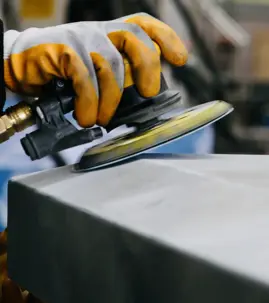
The Hidden Cost of Modern Surfaces: A New Wave of Silicosis Among Stone Fabricators
In recent years, a troubling pattern has begun to emerge within the stone fabrication industry—one that carries echoes of long-settled occupational health crises. Workers tasked with cutting, grinding, and polishing artificial stone products, commonly used in countertops and interior finishes, are being diagnosed with severe and often irreversible forms of silicosis. For many, the diagnosis comes not after decades of exposure, but within a shockingly short span of years.
Artificial stone, prized for its durability and aesthetic versatility, contains a high concentration of crystalline silica—often significantly more than natural stone. When these materials are manipulated without adequate dust control measures, microscopic silica particles are released into the air. Once inhaled, these particles embed themselves deep within the lungs, triggering inflammation and progressive scarring that defines silicosis.
What makes this modern resurgence particularly alarming is the severity and rapid progression of the disease in affected workers. Unlike the chronic silicosis historically associated with long-term exposure, many of today’s cases are classified as accelerated or even acute silicosis. Workers—often young and otherwise healthy—are finding themselves facing debilitating respiratory symptoms, diminished quality of life, and in some cases, the need for lung transplantation.
Behind these diagnoses are individuals who took pride in their craft. Many entered the trade seeking stable employment and the opportunity to build a livelihood with their hands. Few were warned of the risks associated with the materials they handled daily. Even fewer were provided with the level of protection necessary to mitigate those risks effectively.
For these workers and their families, the consequences extend far beyond the physical toll. The emotional strain of a life-altering diagnosis, compounded by uncertainty about the future, can be overwhelming. Financial pressures often follow, as the ability to work diminishes and medical needs intensify.
This emerging trend raises serious questions about workplace safety standards, industry awareness, and the responsibility to protect those at the center of this growing crisis. It also underscores the importance of ensuring that affected individuals are not left to navigate these challenges alone.
As awareness increases, so too must the commitment to accountability and support. Those who have devoted themselves to their trade deserve more than hindsight—they deserve recognition, advocacy, and a path toward justice that acknowledges both their contributions and their suffering.
Our firm is committed to standing at the forefront of this emerging silicosis crisis—relentlessly advocating for those affected and pursuing the accountability and justice their circumstances demand.