
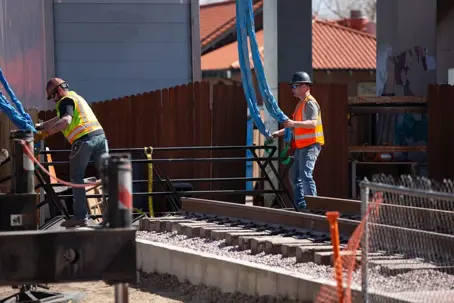
Railroad work is among the most demanding and dangerous occupations in the country. From yards and railyards to mainlines, railroad employees face daily hazards including heavy machinery, toxic chemicals, repetitive physical strain, and unpredictable jobsite conditions. When a injury or occupational illness occurs, injured railroaders do not collect standard state workers' compensation. Instead, their injuries fall under a specific federal statute known as the Federal Employers Liability Act (FELA).
While FELA allows injured workers to recover full compensation for pain, lost wages, and future medical expenses, it requires proving employer negligence. Because the stakes in railroad injury claims are extraordinarily high, making early missteps can severely compromise your ability to recover financial compensation.
Mistake 1: Delaying Immediate Injury Reporting and Documentation
The foundation of any successful claim under the Federal Employers Liability Act (FELA) is an immediate, accurate report of the incident. Railroad companies utilize detailed internal accident reports, and any inconsistency or delay can be weaponized by defense teams to question your credibility.
Common reporting errors include:
Failing to detail specific equipment defects: Omitting details like broken handholds, oily steps, or defective switches on your initial report.
Waiting to report non-traumatic or repetitive strain injuries: Delaying reporting for conditions like hearing loss or toxic exposure illness until symptoms become severe.
Allowing supervisors to phrase the narrative: Letting company managers write or phrase the accident description to minimize railroad fault.
Always ensure your personal statement clearly details the unsafe conditions or negligence that contributed to your injury before signing any internal paperwork.
Mistake 2: Giving Recorded Statements to Claims Adjusters Without Counsel
Shortly after an incident, railroad claims agents will reach out offering assistance. While they may seem helpful, their primary responsibility is protecting the railroad company's financial interests. Giving recorded statements or signing broad medical releases without legal guidance can significantly weaken your legal position.
Key risks when speaking directly to railroad claims agents include:
Self-incrimination: Accidentally accepting partial blame or phrasing answers in ways that diminish railroad liability.
Undervaluing future health impacts: Downplaying pain or premature recovery timelines before receiving a complete medical prognosis.
Broad medical waivers: Signing releases that grant claims adjusters access to your entire lifelong medical history to argue pre-existing conditions.
Politely decline to give recorded statements until you have consulted an experienced railroad injury attorney who understands how corporate defense teams use these statements against workers.
Mistake 3: Failing to Understand How Railroad Defense Teams Evaluate Claims
Unlike routine injury claims, railroad litigation involves powerful corporations backed by specialized defense counsel, internal risk managers, and technical experts. Defense teams immediately launch investigations to limit corporate liability and lower payout values.
Understanding defense strategies helps protect your rights:
Blaming employee error: Attempting to prove the injury resulted solely from worker rule violations rather than equipment failure or unsafe conditions.
Challenging causation: Claiming that severe injuries or occupational illnesses stem from off-duty activities or aging rather than jobsite exposure.
Minimizing long-term damages: Using internal medical consultants to dispute the severity of your ongoing medical treatment or future disability.
At The Law Office of Gregory M. McMahon, we bring deep experience from years spent inside corporate defense rooms handling high-stakes toxic exposure and railroad cases. Knowing exactly how railroad companies defend these claims allows us to anticipate their tactics and build stronger cases from day one.
Protect Your Legal Rights After a Railroad Injury
A serious railroad injury can disrupt your career, health, and family financial stability in an instant. Navigating the complex rules of the Federal Employers Liability Act (FELA) requires aggressive legal strategy and insider knowledge of corporate tactics. If you or a family member suffered a railroad jobsite injury or occupational illness, do not let common mistakes jeopardize your recovery. Contact our team today at (464) 250-9272 for a free, confidential consultation to protect your rights and pursue full accountability.